

Last Updated: October 18, 2026
What Heirloom Quality Actually Means in a Knife
Heirloom quality is a knife's ability to survive decades of real use and still be worth handing to the next generation.
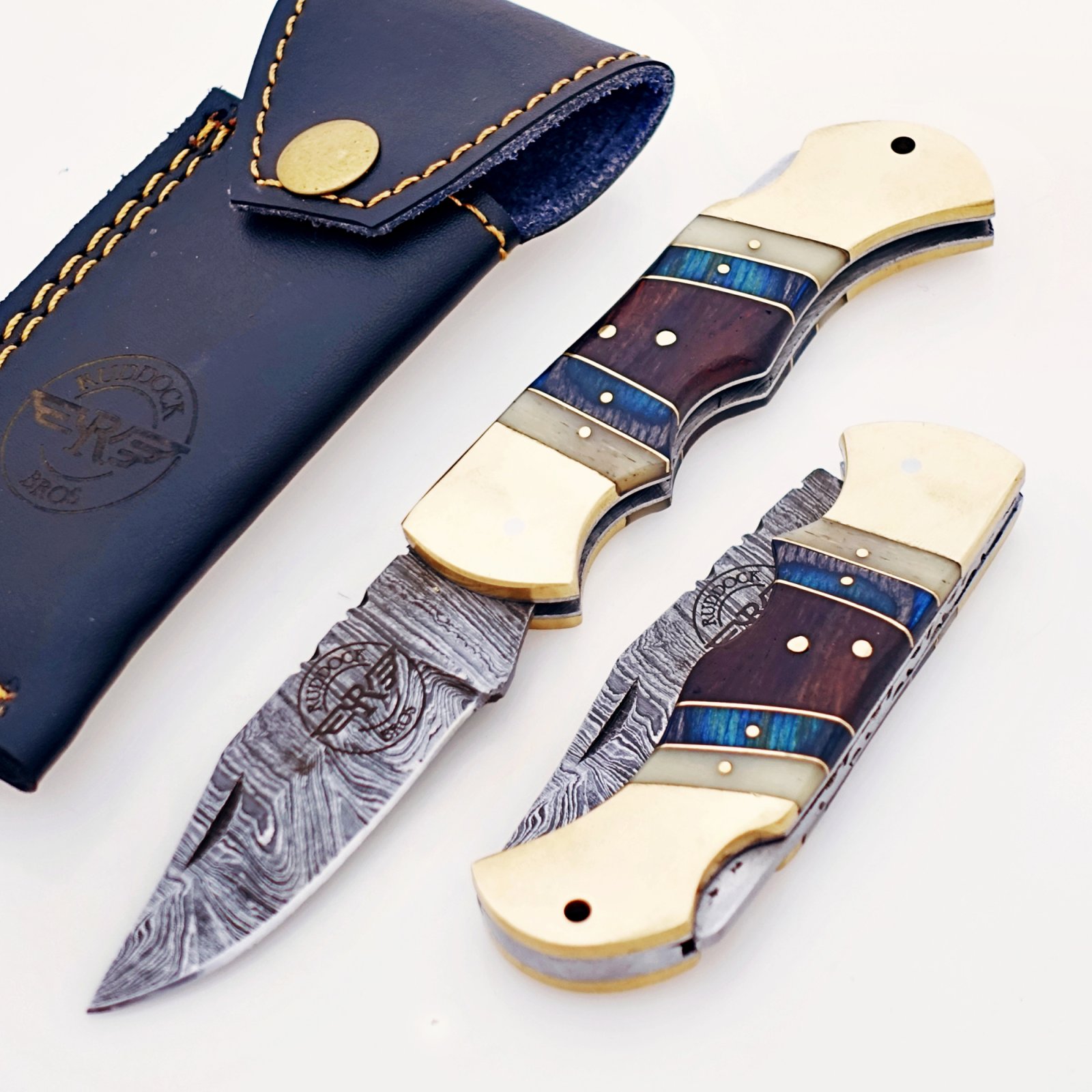
Notice what isn't on that list: price, rarity, or a fancy pattern on the blade.
Here's the uncomfortable truth most knife content skips: a knife becomes an heirloom through ownership, not through a spec sheet. A $40 knife sharpened twice a year for 30 years outlives a neglected showpiece every time.
- Full tang construction so the blade and handle stay one unit
- Steel matched to the job, not chosen for marketing
- Hand-forged or properly stamped geometry with consistent bevels
- A handle material that ages instead of failing
- Repairable design (pivots, spacers, and scales that can be replaced)
- Balance at the pinch point for control during long sessions
- Documentation so the next owner knows what they have
The Best Steel for Kitchen Knives and Long-Term Edge Holding
The best steel for kitchen knives balances edge retention against toughness and corrosion resistance, and no single steel wins all three. But for an heirloom, the question isn't which steel peaks highest on day one, it's which steel is still serviceable in 30 years. That reframes the choice around lifecycle trade-offs rather than prestige.

Reading the Trade-Off Triangle
Every blade steel sits somewhere on three axes:
- Edge retention, how long it cuts before needing attention. Higher hardness (measured on the Rockwell C scale, HRC) usually means better retention.
- Toughness, resistance to chipping and cracking under impact. Harder steels are typically less tough.
- Corrosion resistance, how well the steel resists rust and staining. Chromium content drives this; steels with roughly 12% or more chromium are generally classified as stainless.
A knife that scores high on retention but low on toughness chips at the edge and needs aggressive re-profiling. A knife that scores high on corrosion resistance but low on retention dulls quickly and gets honed hard. For heirloom use, the goal is a steel that stays repairable, one a home sharpener can bring back with common stones rather than diamond plates and a powered system.
Common Kitchen Steels and How They Age
- 1095 and other simple high-carbon steels, low alloy, easy to sharpen on a standard whetstone, takes a fine edge, and develops a patina with use. They rust if left wet, so they demand a drying-and-oiling habit. Their big advantage for inheritance is repairability: a home user can restore the edge for decades.
- VG-10 and similar mid-range stainless steels, good corrosion resistance and solid edge retention, widely used in kitchen cutlery. They sharpen reasonably well but are less forgiving of neglect than simple carbon.
- High-hardness powder-metallurgy stainless steels, excellent retention and corrosion resistance, but often harder to sharpen and more prone to chipping at thin edges. They may need diamond abrasives, which raises the bar for the next owner.
- Damascus-patterned blades, the visible layering is a cosmetic and craft feature; the underlying steels determine performance. Pattern welding doesn't automatically improve edge holding, so judge the core steel, not the swirl.
A practical rule: the steel you can maintain with the tools you already own is the steel that survives generations. A hyper-alloy that needs specialty sharpening may outcut everything on day one and still end up retired in a drawer because nobody in the family can bring the edge back.
Carbon Steel vs. Stainless: What Age Does to Each
Carbon steel develops a patina, a dark oxidation layer that actually slows further rust and records every meal the knife has prepped. Many owners treat that patina as part of the knife's story. Stainless stays bright and needs less attention, which suits a household where the knife might sit wet in a rack.
Our call: carbon steel for the cook who enjoys the ritual, stainless for the household that wants low fuss. Both can last generations. Only one forgives neglect.
Hand-Forged vs. Stamped Kitchen Knives: Why Construction Decides Longevity
Hand-forged vs. stamped kitchen knives comes down to how the blade is formed, and that difference shows up years later. Forged blades are shaped from heated steel, which produces a denser grain structure and a built-up bolster and tang.
Neither is automatically bad. A well-made stamped knife can serve for decades. But forged construction gives you more material at the stress points, and more material means more room to repair, re-profile, and re-handle down the road. That's the practical case for forging, not romance.
Blade Shape, Handle Ergonomics, and Fit and Finish
Blade shape should match the work, not the wall display. A chef's knife with a gentle belly rocks through herbs and onions. A wharncliffe blade, with its straight edge, excels at controlled push cuts and detail work.
Fit and finish is the quieter signal. Gaps between handle scales and tang, uneven bevels, a spine that bites your palm, a pivot that wobbles out of the box: these are the flaws that turn into failures. On a knife you plan to pass down, they're disqualifying.
Why Balance and Handle Material Matter for Daily Use
Balance point decides fatigue. A blade balanced right at the pinch grip gives you control without wrist strain, which is why our Damascus Santoku earns comments like Marcus V.'s: "The balance on the Damascus Santoku is unlike anything else in my kitchen."
Handle material matters just as much. Hardwood and bone age gracefully and can be refinished. Walnut, in particular, holds up to years of grip and oil. Resin handles resist moisture but can chip. Whatever you choose, the handle should fill your hand without hot spots.
How to Care for a Carbon Steel Knife You Plan to Pass Down
Caring for a carbon steel knife means drying it completely after every wash and applying a thin coat of oil before storage. That's the whole discipline.
Lone Star Chef Knife - Stainless Steel - 12" →
Skip the dishwasher. Skip the soaking. Skip leaving it on a wet cutting board overnight. Do those three things and a carbon blade will outlast you; ignore them and you'll be shopping for a replacement inside two years.
A light food-safe oil after each use builds a protective layer over the patina. Re-oil more often in humid months.
How to Sharpen a Pocket Knife and Maintain Repairability
Knowing how to sharpen a pocket knife keeps a folding blade in service for decades, and the method is simpler than the gear aisle suggests.
Repairability is the other half. A liner lock or frame lock with serviceable screws lets you tighten a pivot, replace a spacer, or swap scales instead of retiring the knife. Ceramic ball bearings in the pivot smooth the action but need occasional cleaning.
Provenance, Documentation, and Heirloom Suitability by Knife Category
Provenance is the paper trail that turns a good knife into a documented heirloom. Most knife content treats this as an afterthought, but it's the single biggest gap between a knife that gets handed down with meaning and one that gets sold at a yard sale because nobody knows what it is. A documented knife carries its own history forward.
What to Record and How to Keep It
Start a simple record the day the knife arrives, and keep it with the knife or in a fireproof safe:
- Maker and model, who made it, where, and the pattern or model name.
- Materials, steel type, handle material, and any hardware (pins, bolsters, liners).
- Purchase details, date acquired and from whom, so the chain of ownership is clear.
- Service history, every sharpening, re-handle, or repair, with dates and who did the work.
- Care notes, oiling schedule, storage conditions, and any quirks (a pivot that needs occasional tightening, a handle that prefers a specific wax).
- The story, who used it, for what, and any family context. A handwritten note adds sentimental value no spec sheet can match.
A common pattern among collectors is a small index card or a labeled sleeve kept with each knife, plus a photo of the knife alongside its record. Digital copies help, but paper survives power outages and format changes.
Heirloom Suitability by Knife Category
Use patterns and maintenance needs differ by category, and so does long-term value. The table below frames what to look for in each.
Knife Category |
Heirloom Strength |
What to Look For |
|---|---|---|
Chef's knife |
High (daily use) |
Full tang, balanced grip, easy sharpening, steel the household can maintain |
Carving set |
High (tradition) |
Matching pieces, quality steel, leather or fitted storage |
Steak knife set |
Medium-high (table use) |
Consistent edges, durable handles, a storage block or roll |
Pocket knife |
High (personal) |
Serviceable pivot, replaceable scales, a record of carry and use |
Outdoor/bushcraft |
Medium-high (hard use) |
Tough steel, secure handle, a sheath that protects the edge |
A chef's knife earns its place through daily use and repeated sharpening, so repairability matters most. A carving set carries table tradition and benefits from matched pieces and proper storage. A pocket knife is the most personal category, its value comes from carry history as much as materials.

Storage and Responsible Transfer
Storage protects both the blade and the record. Keep knives dry, off bare metal shelves, and in a block, roll, or sheath that prevents edge contact with other objects. A thin coat of food-safe oil on carbon blades before long storage prevents rust.
When the time comes to pass a knife on, do it deliberately: hand over the record with the knife, walk the new owner through the care routine, and note the transfer in the record.
Frequently Asked Questions
What makes a knife heirloom quality?
Heirloom quality comes down to materials and construction that survive decades of use and can be repaired rather than replaced. Look for high-carbon or Damascus blade steel with good edge retention, a full tang that runs through the handle, secure fit and finish, and a design that can be resharpened and rehandled. Provenance and documentation add sentimental value. A knife becomes an heirloom when it is built to be maintained, not discarded.
How should you care for a knife you want to pass down?
Hand wash with soap and hot water, dry completely, and oil the blade after every use, especially with high-carbon steels like 1095 that rust if left wet. Store it in a dry place, ideally in its leather sheath or a knife roll, and sharpen only as needed with a consistent angle. Avoid dishwashers entirely. Regular light maintenance preserves both the edge and the handle, so the knife stays functional for the next generation.
Does hand-forged craftsmanship make a knife last longer?
Hand forging generally produces a denser, more uniform grain structure and allows the maker to control heat treatment closely, which supports durability and edge stability. It also makes future repair easier because the blade can be re-ground and re-sharpened without losing its geometry. Stamped knives can perform well, but hand-forged blades typically offer more material to work with over a lifetime of maintenance.
How do you sharpen a pocket knife without damaging the blade?
Match the existing bevel angle, use light consistent strokes on a whetstone or a guided sharpener, and alternate sides to keep the edge centered. Work from coarse to fine grit, then finish with a few passes on a leather strop. Clean the stone and oil the pivot afterward. Avoid pull-through carbide sharpeners, which remove too much steel. A pocket knife sharpened this way keeps its blade length and edge geometry for years.
A knife only becomes an heirloom when someone commits to using and caring for it. That's the part no manufacturer can sell you. What we can do at Ruddock Bros. is give you a blade worth that commitment: hand-forged construction, full tangs, balanced ergonomics, and a lifetime guarantee standing behind every piece. Browse our collection and start the knife your family will still be using in 30 years.