

Last Updated: October 11, 2026
What Makes a Damascus Folding Knife Suitable for Everyday Carry
A Damascus steel folding knife for everyday carry combines striking aesthetics with genuine cutting utility. Damascus blades have earned their place on countless everyday carry lists, but they come with real trade-offs worth understanding before you commit.
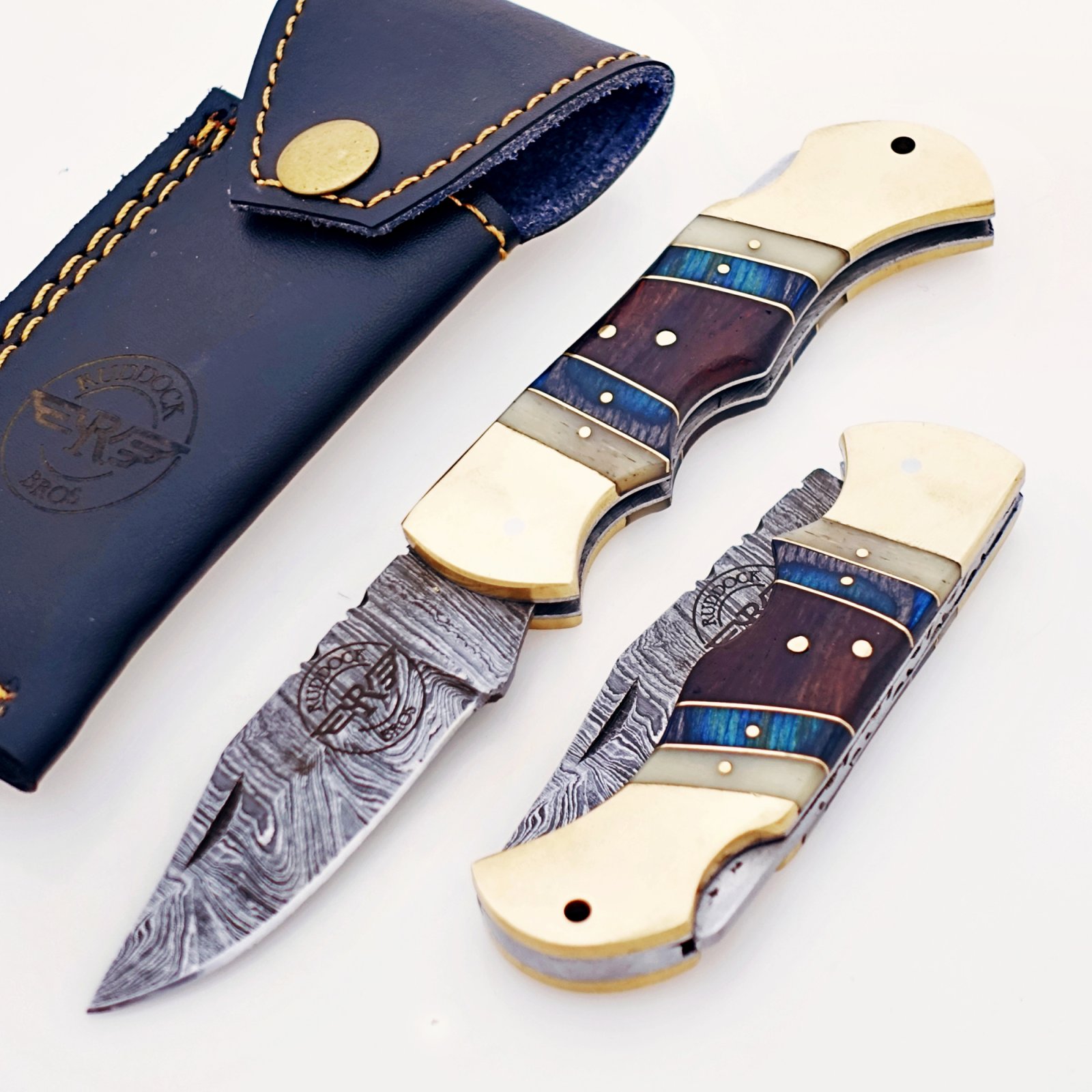
The appeal is immediate: those layered steel patterns catch light and draw attention. But beneath the visual artistry lies a legitimate question: does Damascus actually perform better than stainless steel for pocket carry, or is it mostly aesthetic? The answer is nuanced. Damascus excels at edge retention and sharpness, but weight becomes the deciding factor for true EDC use. The biggest drawback to a Damascus knife is each piece of Damascus steel added brings on much more weight than stainless steel. If you are a sheath user, then the weight is not an issue, but keeping it in your pocket can be a bit much on an all Damascus steel knife like the Anvil.
Damascus vs Stainless Steel Knife: Performance and Practicality
The choice between Damascus and stainless steel fundamentally shifts based on your use case and carry method. Damascus steel typically features layered construction combining high-carbon and softer steel, which creates both visual appeal and edge-holding capability.
Characteristic |
Damascus Steel |
Stainless Steel |
|---|---|---|
Edge Retention |
Excellent |
Good |
Weight |
Heavier |
Lighter |
Corrosion Resistance |
Requires maintenance |
Low maintenance |
Visual Appeal |
Striking patterns |
Understated |
Maintenance Effort |
Regular oiling needed |
Occasional cleaning |
Cost |
Higher |
Lower |
Damascus excels when edge performance matters more than weight. Stainless works better when you want a reliable pocket tool that doesn't demand constant attention. Many EDC users find themselves reaching for stainless more often simply because pocket fatigue isn't a factor.
The real difference emerges over weeks of daily carry. Damascus holds a sharper edge longer, which means fewer touch-ups and more reliable cutting performance on tough materials. But that advantage only matters if you actually carry it.
Blade Steel Composition and Edge Retention
What makes Damascus steel hold an edge so effectively comes down to its layered construction. Traditional Damascus combines high-carbon steel (often 1095 or 15N20) with softer steel in alternating layers. The Lone Star Folding Knife, for example, uses 1095/15N20 Damascus construction, a proven combination that balances hardness with toughness. This layering creates a blade that stays sharp longer than single-composition stainless.
High-carbon layers bite into materials and maintain their edge geometry. Softer layers absorb impact and prevent the blade from becoming brittle and chipping. That balance is why Damascus became legendary in bladesmithing long before it became fashionable. It actually works.
Pattern-Welded Construction and Durability
Pattern-welded steel, the technical term for Damascus construction, builds durability through design. Each layer serves a purpose. The high-carbon steel layers provide hardness; the softer layers provide flexibility. When you fold a Damascus blade closed against resistance, that flexibility prevents catastrophic failure. A single-piece high-carbon blade of equivalent hardness might snap under the same stress.
This construction method also explains why Damascus blades demand respect during maintenance. The layering means you're not dealing with a uniform material. Oil preservation becomes essential because different steel layers oxidize at different rates. Neglect a Damascus blade for weeks in humid conditions and you'll see rust creeping between layers. Stainless doesn't face this problem, which is why it dominates kitchen drawers and casual carry situations.
Weight Considerations for a Lightweight EDC Knife
This is where Damascus reveals its practical limitation. Each layer of Damascus steel adds mass. A Damascus folding knife typically weighs 30-50% more than a comparable stainless steel blade. For a pocket knife that lives in your jeans pocket eight hours a day, that difference accumulates.
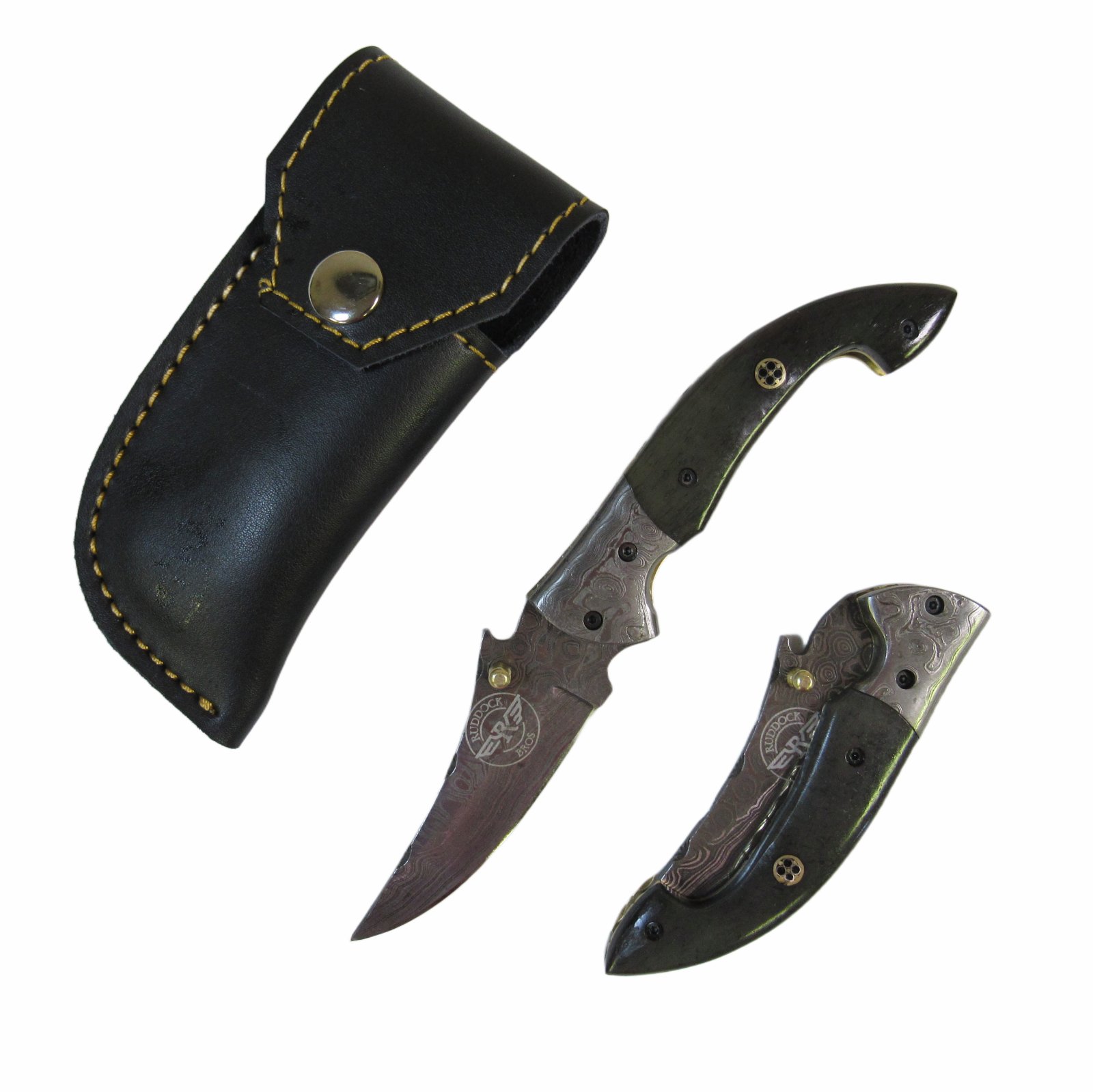
The weight debate splits along practical lines. If you're using a belt sheath, whether for outdoor work, backcountry trekking, or collection display, weight doesn't matter. A heavier blade actually feels more substantial and capable. One customer, David K., took the Field Bushcraft on a 14-day backcountry trek in the Rockies. Processed firewood, prepped game, and still shaved hair off my arm at the end.
But pocket carry is different. A lighter knife gets carried more consistently. A heavier one tempts you to leave it at home on days when you're wearing lighter clothing or making a quick trip. The best EDC knife is the one you actually carry.
Damascus Steel Knife Maintenance and Care
Maintaining a Damascus blade requires understanding what you're protecting. The layered construction demands regular oiling to prevent rust between steel layers. This isn't optional maintenance, it's the foundation of ownership.
After each use, hand wash your Damascus folding knife with soap and hot water. Dry it completely with a soft cloth. Then apply a light coat of mineral oil, synthetic blade oil, or even light machine oil to the entire blade surface.
Store your knife in a dry environment. Humid conditions accelerate rust formation, especially in the tight spaces where layers meet. If you live in a humid climate, check your blade weekly and refresh the oil coating.
For the Lone Star Folding Knife's hardwood and horn handle, occasional light oiling keeps the wood from drying and cracking. These natural materials age gracefully with minimal care, but they do need attention. Avoid soaking the handle in water or leaving it in direct sunlight for extended periods.
Finding the Right Damascus Pocket Knife for Your Needs
Choosing a Damascus folding knife requires more than comparing handle materials and blade length. You need to verify that what you're buying is genuine forged Damascus, not a decorative surface pattern that mimics the look without the performance.
Authentic Damascus vs. Decorative Patterns
True Damascus steel is pattern-welded: high-carbon and softer steel layers are forge-welded together, then the blade is etched to reveal the layered structure. The pattern runs through the entire blade depth. If you cut a cross-section, you'd see the layers inside. This construction creates the edge-retention and toughness advantages Damascus is known for.
The Texas Folding Pocket Knife Damascus Steel Blade →
Decorative Damascus (sometimes called "Damascus-look" or "etched Damascus") is a surface treatment applied to a single-composition blade. A pattern is chemically etched or laser-printed onto the blade surface to create the visual appearance of layered steel. The blade itself is uniform stainless or high-carbon steel.
The price difference is significant. Authentic forged Damascus costs more because the layering process requires skill and time. Decorative Damascus can be applied to inexpensive blades, making them look premium without the performance or durability.
How to Verify Authentic Damascus
Check the seller's description carefully. Legitimate Damascus sellers explicitly state "pattern-welded," "forged Damascus," or "hand-forged Damascus." They describe the steel composition (1095/15N20, for example) and explain the layering process.
Look for edge-on blade photos. Authentic Damascus shows the layered structure when viewed from the blade's edge or spine. If you can see distinct lines running perpendicular to the blade edge in photos, those are the actual steel layers.
Examine the spine and handle junction. Where the blade meets the handle, authentic Damascus shows the layered pattern continuing into the blade base.
Ask about heat treatment. Authentic Damascus requires specific heat treatment to balance hardness and toughness across different steel layers. Sellers of genuine Damascus can discuss their heat-treat process or the maker's specifications.
Request close-up photos of the blade edge and spine. Before purchasing, ask the seller for high-resolution photos showing the blade from multiple angles, especially edge-on and spine views. Authentic Damascus reveals its construction in these angles.
Ruddock Bros. Damascus Selection
Ruddock Bros. and our 70 year legacy is about relationships, trust, quality and fair prices. We stand behind our products, because we can! When you buy a Damascus knife from Ruddock Bros., you're getting authentic forged Damascus, not a decorative imitation.
Our selection includes options for different carry preferences and use cases. Compact contoured models suit users prioritizing pocket weight and everyday cutting tasks. Larger fixed-blade-adjacent folders with hardwood and horn handles appeal to users who want presence and statement. Each knife uses genuine pattern-welded construction and includes detailed specifications so you know exactly what you're carrying.
Use-Case Matching
Light daily tasks (opening packages, cutting rope, general utility): A compact contoured Damascus folder keeps pocket weight minimal while delivering superior edge retention for occasional cutting. You'll appreciate the sharpness when you need it and won't feel the weight during all-day carry.
Work use (outdoor jobs, field tasks, regular cutting): A larger Damascus blade with a secure lock and one-handed operation becomes a genuine tool.
Outdoor carry (backcountry, camping, hiking): If you're using a sheath, Damascus weight becomes an asset, not a liability. A heavier blade feels more capable and substantial. The superior edge retention matters when you're processing firewood, game, or materials far from a sharpening stone.
Premium collecting (display, heirloom, investment): A Damascus folder with natural handle materials (hardwood, horn, bone) and hand-forged construction becomes a conversation piece and heirloom. These knives develop character over decades and can be passed down. The visual artistry and craftsmanship justify the investment.
Frequently Asked Questions
Is a Damascus steel folding knife good for everyday carry?
Yes, a Damascus folding knife works well for everyday carry if you understand its trade-offs. The blade holds an excellent edge for cutting tasks like opening packages and handling cordage. The distinctive pattern-welded steel construction provides both durability and visual appeal. However, Damascus steel is heavier than stainless steel, so weight-conscious carriers should consider models with balanced proportions or use a sheath to distribute the load. Models like the Texas Folding Pocket Knife Damascus Steel Blade at $24.95 and the Lone Star Folding Knife at $34.95 are designed specifically for EDC use.
How do you maintain a Damascus steel pocket knife?
Damascus steel requires more attention than stainless steel because the carbon steel layers can rust if exposed to moisture. After each use, wipe the blade dry with a cloth. Hand wash only with soap and hot water, then dry thoroughly before storing. Oil the blade regularly with a light machine oil or blade oil to prevent corrosion and maintain the Damascus pattern's appearance. Store in a dry location, and if you use a sheath, ensure it's dry before returning the knife. This routine maintenance keeps your Damascus pocket knife performing and looking sharp for years.
Are Damascus folding knives heavier than stainless steel knives?
Yes, Damascus folding knives are noticeably heavier than comparable stainless steel models. The biggest drawback to a Damascus knife is each piece of Damascus steel added brings on much more weight than stainless steel. If you are a sheath user, then the weight is not an issue, but keeping it in your pocket can be a bit much on an all Damascus steel knife like the Anvil. For true lightweight EDC, stainless steel options are preferable. However, many knife enthusiasts accept the extra weight because Damascus steel's edge retention and aesthetic appeal justify the trade-off. Consider your carry method before choosing a Damascus pocket knife.
What should you look for in a Damascus EDC knife?
When selecting a Damascus folding knife for everyday carry, evaluate blade length (3 to 3.5 inches is typical for EDC), handle material (wood and horn provide comfort and grip), and locking mechanism (a reliable lock keeps the blade secure during use). Check the overall weight and closed length to ensure it fits comfortably in your pocket or pack. Look for contoured handles that provide controlled handling and inspect the Damascus pattern for consistency and craftsmanship. Ruddock Bros. offers several options ranging from $24.95 to $39.95, each designed with EDC practicality in mind and backed by quality inspection before shipment.